Written by Tanya Berardini, TAIR Director & Leonore Reiser, TAIR Principal Biocuration Scientist
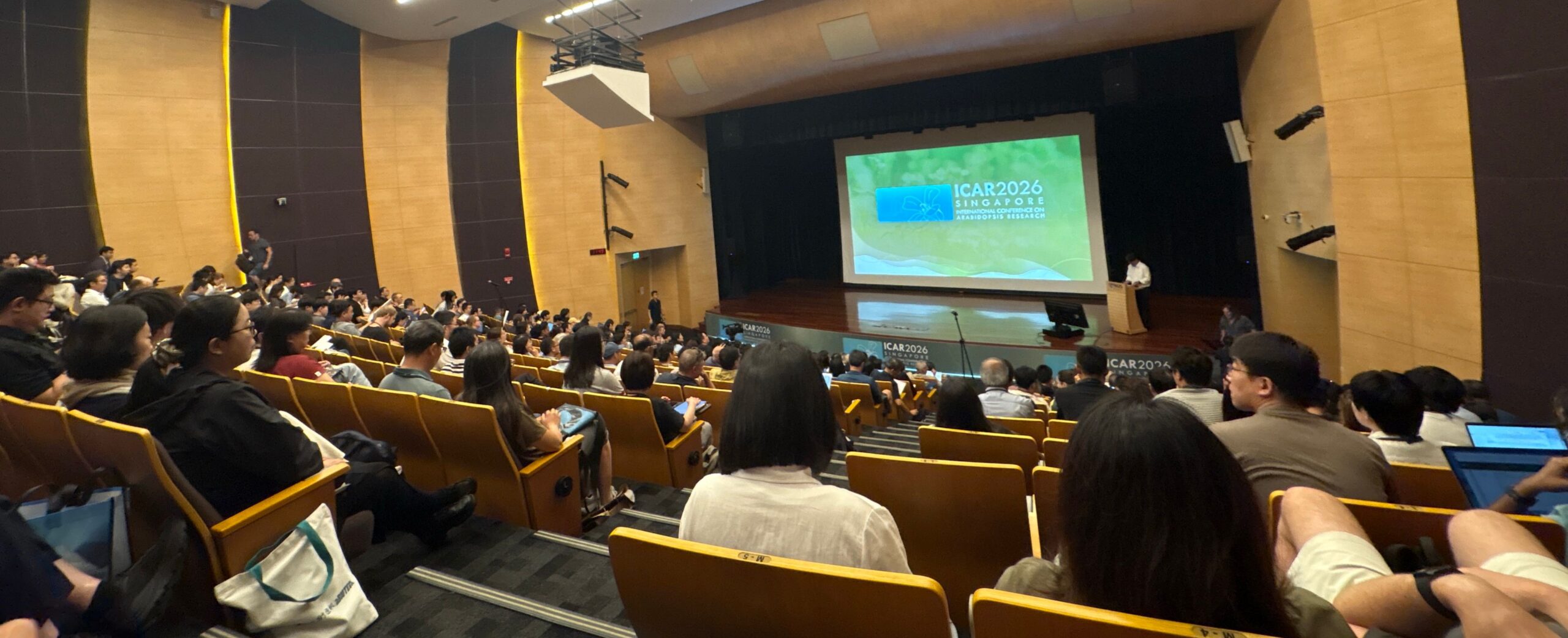
The 36th International Conference on Arabidopsis Research (ICAR2026) brought the global Arabidopsis community together June 22-26, 2026 at the University Town (UTown) campus of the National University of Singapore (NUS). For a field that has met annually for nearly four decades, this was a milestone: the first ICAR held in Southeast Asia, organized by a coalition of researchers from NUS, Nanyang Technological University, and Temasek Life Sciences Laboratory.
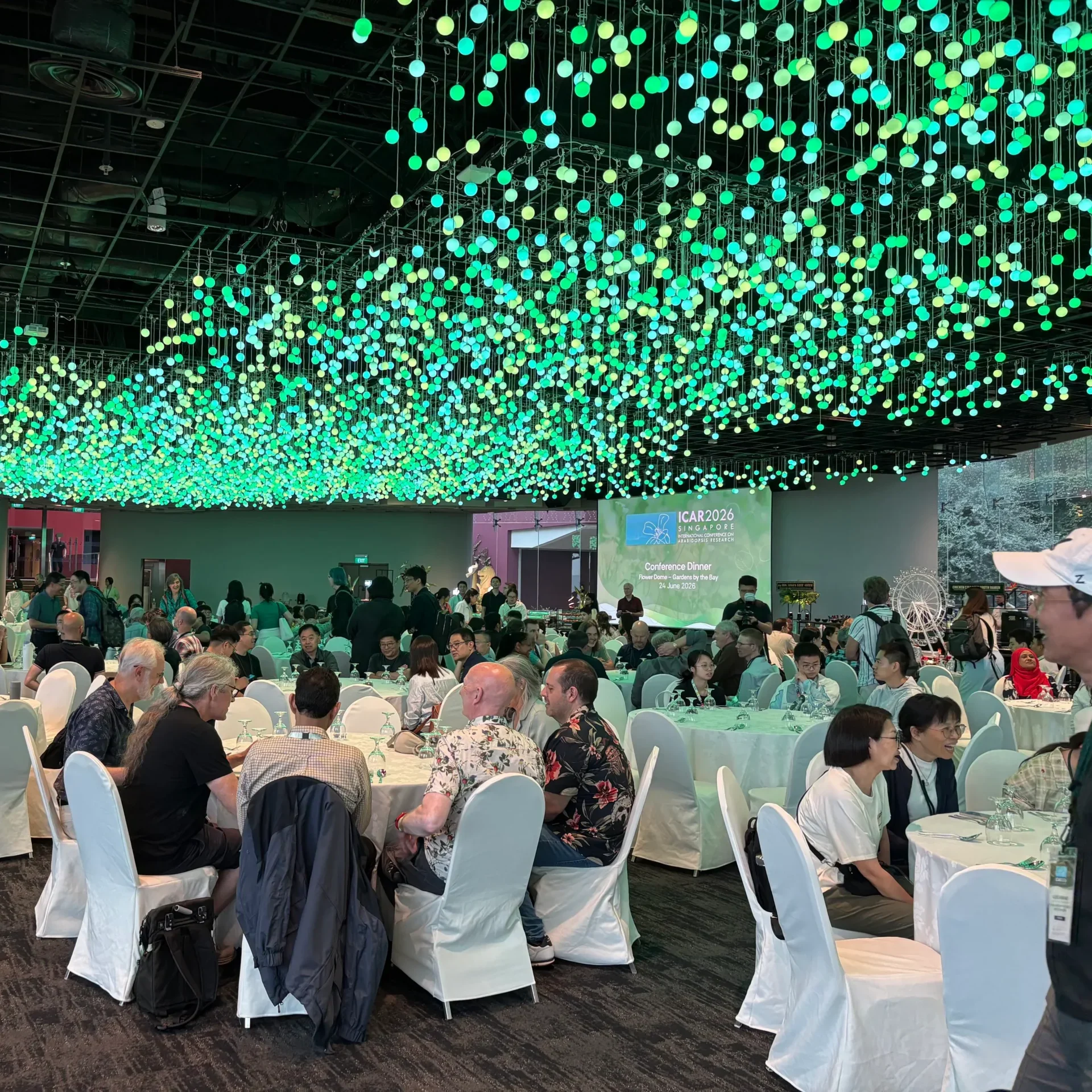
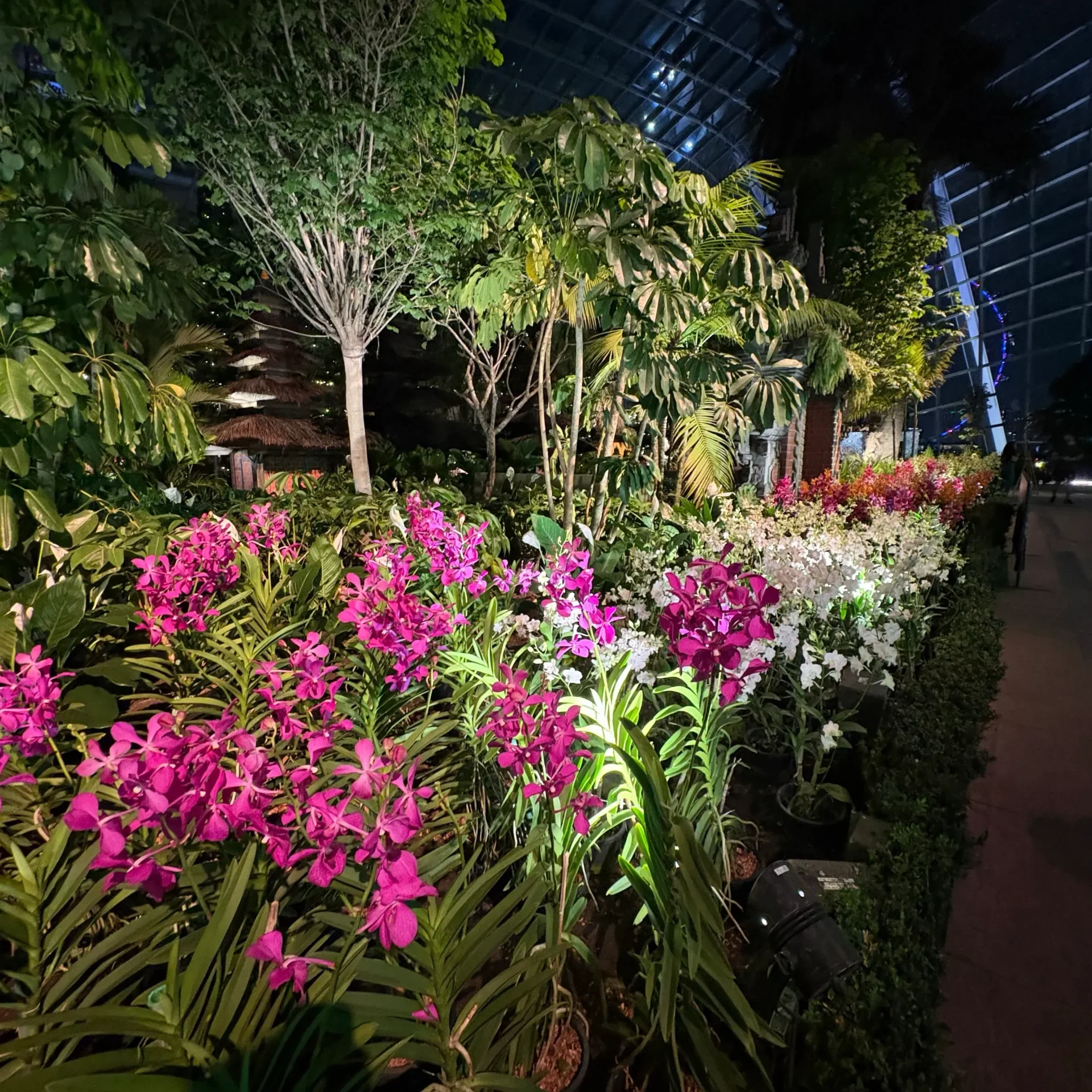
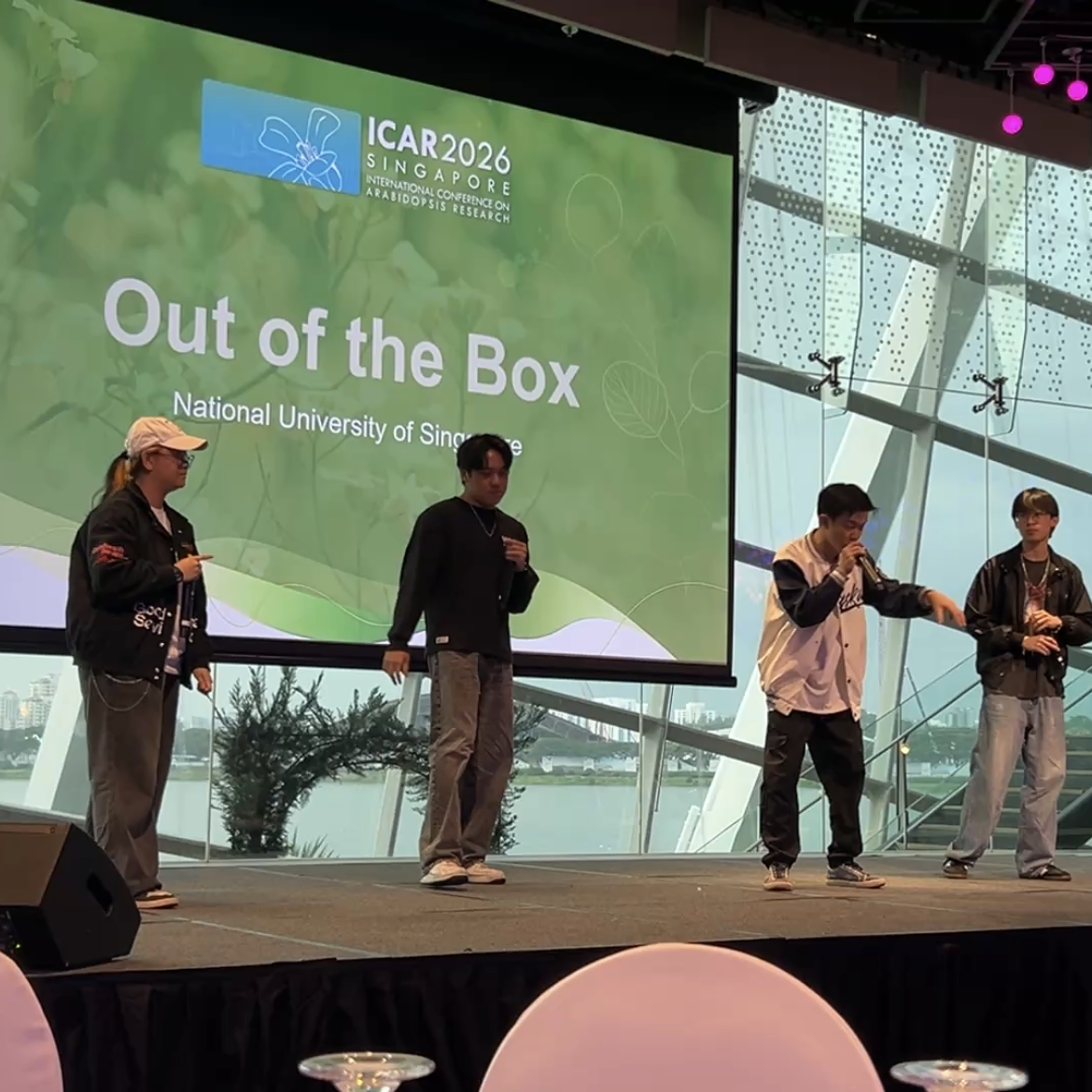
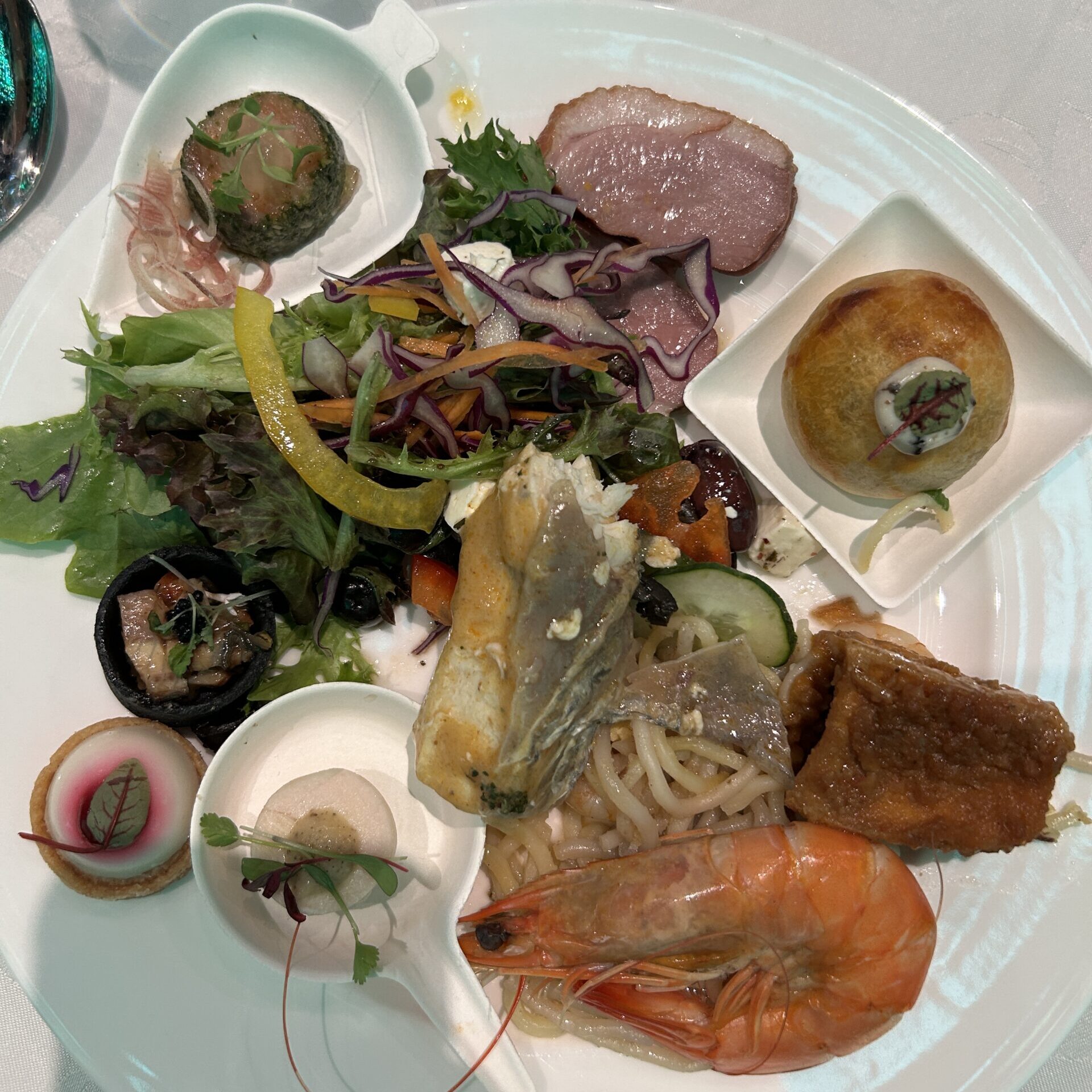
The hospitality of our hosts set a high bar for future conferences. Each meal offered highlights of the rich diversity of cuisines from Singapore. The conference dinner was held inside the Flower Dome at Gardens by the Bay, the world’s largest glass greenhouse. It was a memorable evening with excellent Singaporean fare, traditional music, and even a little beatboxing, all presented amongst a backdrop of Mediterranean, African, and Australian flora.
Across sessions, the speakers’ willingness to put early, unpublished results in front of the room was arguably the real highlight of ICAR2026. Plenary speaker Elliot Meyerowitz kicked off the meeting asking the crowd to help identify a second “UFO.” Meyerowitz’s lab previously isolated the Unusual Floral Organs gene. In this case, he presented an Unidentified Frozen Object found in cryo-TEM images of Arabidopsis shoot apical meristem cells. We still don’t know what it is but the audience floated a lot of interesting ideas.
-
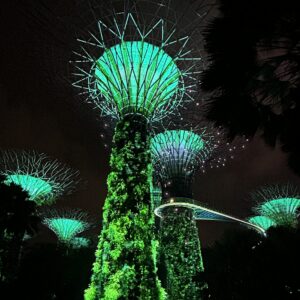
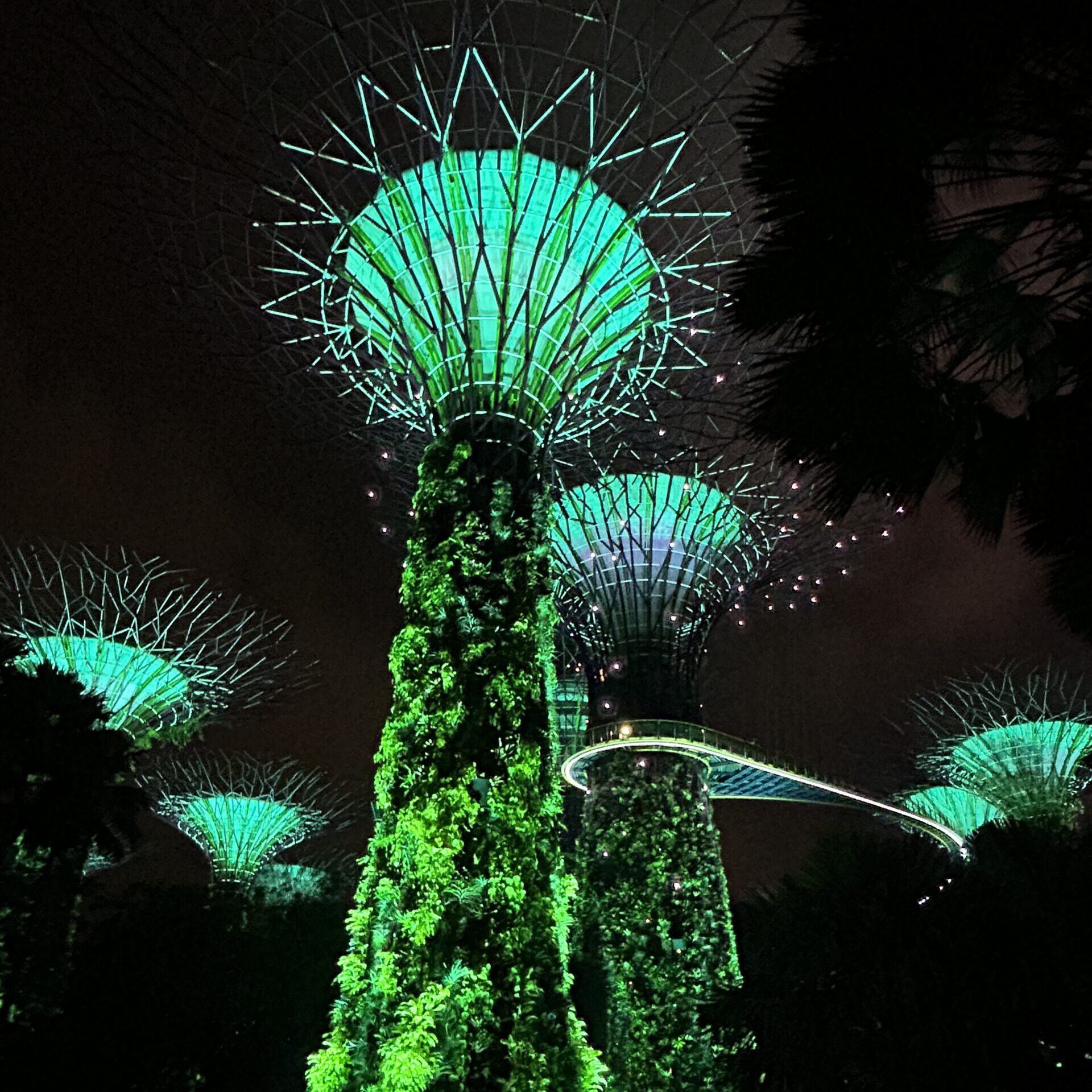
- Supertrees at night at the Gardens by the Bay
-
- Hungry researchers gather under glowing green lamps
-
- Gardens by the Bay in bloom
-
- Out of the Box, an NUS student beatbox group
-
- Conference meal
-
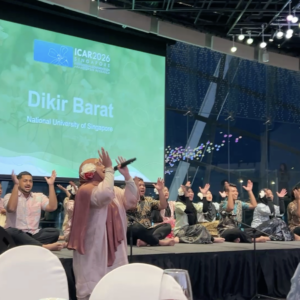
- Dikir Barat, an NUS student music group provide dinner music
TAIR’s Arabidopsis Informatics Workshop
We attended the conference, representing TAIR at a booth and at the Arabidopsis Informatics Workshop. Visitors to the booth shared feedback on TAIR’s database and the chatbot currently in development, and received a special, one-of-a-kind enamel pin.
The workshop,co-organized by Tanya and Nick Provart (the BARtender) from the BioAnalytic Resource at the University of Toronto featured five speakers. Tanya highlighted recent developments at TAIR and key changes springing from the TAIR12 reannotation. Nick shared the latest from BAR including new expression datasets with accompanying eFP browsers and a brand new soon-to-be-released single cell data portal.
Presentations from three postdoctoral researchers followed. Their talks showcased the breadth of possibilities for informatics applications in plant biology. Richalynn Leong from Leiden University presented a hybrid machine learning framework that identifies significant temporal regulatory dynamics in plant immunity. Brian Mooney from Oxford University spoke on reactivity-based protein profiling (RBPP), a proteomics labeling technique used to assess proteome remodeling. Che-Wei Hsu from Caltech showed compelling 3D spatial transcriptomic data that maps single cell transcriptomic data to the morphogenesis of the Arabidopsis root.
-
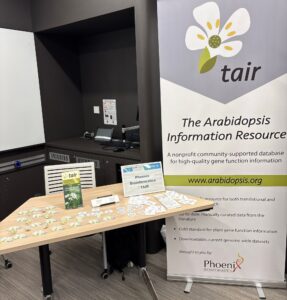
- TAIR’s booth
-
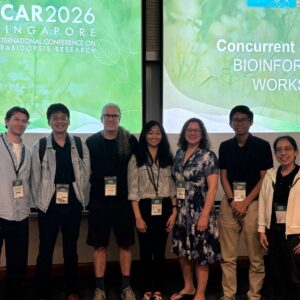
- Speakers Brian Mooney, Wei-Che Hsu, Nicholas Provart, Richalynn Leong and Tanya Berardini, with student volunteers Manu and Pakwan
-
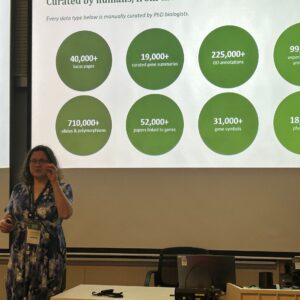
- Tanya Berardini discusses TAIR
Symmetry and asymmetry, Core stress genes, AI in plant science, and other stand-out topics
The keynote and plenary sessions covered a broad range of topics and brought everyone together to hear the latest research from across the globe. On the developmental biology front, Dominique Bergman from Stanford University described some clever ‘reverse polarity’ experiments that demonstrated how gradients of the intrinsically disordered protein OPL2 are generated and result in the formation of a symmetrical stomatal pore. It was a fascinating and well-told tale of how asymmetry can lead to symmetry.
Dominique Van Der Straeten from Ghent University presented a robust meta-analysis to identify core stress genes to understand the relationship between global climate change, stress resilience, and nutritional content. One of the big take-home messages for us, as curators, was the importance of rigorous data collection and reporting. Of the 945 publicly available transcriptomic datasets they accessed, only 23 ended up being usable for their meta-analysis. It’s a strong reminder that open data is not always FAIR (Findable, Accessible, Interoperable, Reusable) and that having well described metadata and data for downstream machine learning/AI enabled analysis is critical. Niko Geldner from the University of Lausanne walked us through root barrier formation and how plants defend themselves from harmful bacterial attack while also trying to attract beneficial bacteria.
The conference highlighted how creative research goes hand-in-hand with technological innovation. New techniques were often described alongside new discoveries. Caixia Gao from the Chinese Academy of Sciences amazed us with her lab’s work in using directed evolution, AI-driven variant design, and TranC, a new genome editing system for Precision Genome Engineering. Sureshkumar Balasubramanian, from Monash University, described a new technique called ‘Get Your Genes Instantly’ that used DNA and RNA sequencing to expedite identification of genes involved in thermal sensitivity.
As always, there were plenty of interesting concurrent sessions with different focus areas and it is hard to choose which ones to highlight. From the AI in Plant Sciences session, we were particularly intrigued by the presentation on “PlantGraph — a MultiOmic Reasoning Engine” from Ehsan Estaji from Umeå University. He described his LLM enabled chatbot that interfaces with a knowledge graph constructed from high quality curated resources including TAIR, BioGRID, Plant Reactome and UniProt. The knowledge graph enables complex queries across datatypes, while the LLM is used to synthesize hallucination-free responses. The tool also includes some interesting visualizations.
The conference reminded us of the strength and collegiality of the Arabidopsis community, decades old and still growing. We look forward to hearing about the science that was inspired by this meeting at future conferences. In 2027, ICAR will return to the US and will be held in Madison, Wisconsin for the first time since 2011. In 2028, the conference will move back to Europe in Porto, Portugal.